RPM Mortgage

TEAM EMPOWERMENT MORTGAGE CHATTER: Nov 7; Daylight Savings Ends; Is It Really Time to Buy?; Fed Focuses on Lifting Ailing Housing Market; How Longs are Loans Delinquent in Foreclosure?; First-Time Home Buyers Haven’t Vanished; Sellers Opt for Auction

“It has been my observation that most people get ahead during the time that others waste.”

– Henry Ford: Founder, Ford Motor Company


IS IT REALLY TIME TO BUY?

Earlier this week, we gave you the links to four different articles that came to the same conclusion: it’s time to buy a home. Today, we want to take a closer look at one of the sources, the JP Morgan’s Market Insights report. Right from the beginning, the paper identifies the greatest challenge in today’s housing market: consumer emotion. They attempt to overcome that emotion with logical reasons why now is the time to buy a home. They break it down to the following.

Price-to-Income Ratio

One measure of housing values is the ratio of personal income to home prices. The report explains where we are today:

“Since 1966, the median price of an existing single family home in the U.S. has varied between 150% and 251% of personal income per household. However, roughly three-quarters of the time it has been in a relatively narrow band between 185% and 230%. In September 2011, the ratio was just 153%, implying that to get back to an average price to income ratio, home prices would have to rise by about 27%.”

Current Mortgage Interest Rates

With current 30 year mortgage rates, housing payments are at historic lows as compared to personal income.

“During the week of October 7, Freddie Mac reported that mortgage rates had fallen to an average annual level of 3.94%. Assuming the use of a fixed rate mortgage with 20% down, this would make the median mortgage payment on a single family existing home just 6.9% of per household personal income, compared with an average of 14.4% since 1966.”

Monthly Rent vs. Monthly Mortgage Payment

Is it less expensive to own a home or rent a home? The answer to this question helps families make the decision whether or not to buy a home. The report explains:

“By the third quarter of this year, we estimate that the implied median mortgage payment had fallen to just 78% of the median asking rent…”

Bottom Line

The paper comes to the conclusion that now is the time to buy.

“The numbers on housing have an important message for American families today, and particularly younger families setting out on life’s great adventure: Five years ago, at the peak of the home-buying euphoria, it was emphatically a time to rent. Today, when home ownership is depreciated more than ever before, the numbers tell us it is a time to buy.”

We agree.


FED FOCUSES ON LIFTING AILING HOUSING MARKET

The Federal Reserve on Wednesday issued a new call about the importance of fixing the housing market, which could then have a trickle effect in strengthening the rest of the economy.

The Fed will consider buying more mortgage-backed securities to help, said Ben Bernanke, the Fed chairman. Such a move could send borrowing costs even lower.

“The housing sector is a very important sector,” Bernanke said at a news conference. “Problems in that sector are a big reason why our economy’s not recovering more quickly.” The Fed is holding a two-day policy meeting – which ends Thursday – to weigh options.

Economists believe that if more people were buying homes then it could lead to a boost in consumer purchases for other sectors, from furniture to appliances. They note that the housing market has led the economy out of recessions in the past, since it creates jobs and more spending on goods and services.

The housing market continues to be bogged down by a high rate of foreclosures, which is dropping other home values. About 7.5 million homes are either in foreclosure or delinquent on their mortgage.


HOW LONG ARE LOANS DELINQUENT IN FORECLOSURE?

Loans in foreclosure have been delinquent an average of 624 days — a record high, according to Lender Processing Services’ September report.

The time loans spend in foreclosure continues to increase. For example, 40 percent of home owners with loans in foreclosure have failed to make a payment within two years, and 72 percent of home owners have failed to make a payment in a year or more.

The time from the last payment to foreclosure sale has been found to be even longer in judicial states, in which foreclosures must be approved by the courts. The time span in judicial states is averaging 761 days, six months longer than non-judicial states, LPS reports.

While loans are spending longer in foreclosure, the number of foreclosure starts is decreasing. Foreclosure starts decreased 11.2 percent in September compared to August, and foreclosure starts are 15 percent below a year earlier, LPS notes in its recent report.

The states with the highest percentage of loans in delinquency or foreclosure are:

  • Florida
  • Mississippi
  • Nevada
  • New Jersey
  • Illinois

The states with the lowest: North Dakota, South Dakota, Wyoming, Alaska, and Montana.


FIRST-TIME HOME BUYERS HAVEN’T VANISHED

First-time home buyers are snagging up homes at much the same pace they were before the first-time home buyers tax credit created a buying frenzy two years ago. Indeed, for the first seven months of this year first-time home buyers have made up 32 to 36 percent of the market, according to NATIONAL ASSOCIATION OF REALTORS® statistics.

Low interest rates and fallen home values are drawing more first-time home buyers to the market, at a time when rental prices are rising. However, today’s first-time home buyers certainly are being greeted with more market challenges, everything from higher down payment standards, tougher credit requirements, and delays in securing a mortgage.

But first-time home buyers seem to be finding options to curtail some of the challenges. For example, the FHA’s 3.5 percent down payment market share has seen a large increase in the last few years, rising from 3 to 30 percent since 2006, even though tighter credit standards and higher fees took effect a year ago. Also, the USDA guaranteed loan program offers a no-down payment program that more first-time buyers are taking advantage of.

Given fallen home prices and record-reaching interest rates, why aren’t even more first-time buyers taking advantage of home ownership? They lack urgency, particularly since many first-time buyers say they expect home prices to drop further and mortgage rates to stay low. What’s more, they remain concerned about the economy and their personal finances, finds a national housing survey by Fannie Mae.


MORE SELLERS OPT FOR AUCTIONS

Home auctions are on the rise: According to PropertyAuction.com, a real estate auction Web site, from January to September of 2011 there have been 96,388 residential auctions posted on its site. Compared to last year’s 50,412home auctionsduring the same time frame, that’s a 48 percent increase.

“s housing prices continue to drop and mortgage foreclosures reach staggering levels, public auctions around the country are luring investors and first-time home buyers looking for bargains, according to auctioneers, real estate brokers, and home buyers,” RealtyTrac.com reports.

Moreover, the belief that only distressed properties top the auction block no longer seems to be the case. Many sellers looking for a quick and possibly profitable sale of their homes are seeing the upside of going the auction route rather than competing with the overloaded inventory of homes on the traditional market. Sellers are aware that first-time home buyers and property investors are currently hunting in droves for a good deal.

Some advantages of property auctions include:

A property is put in the spotlight on a specific date and time rather than being “just another listing” among thousands.

An accelerated marketing campaign, creating a unique curiosity and sense of urgency in buyers and investors due to the very small window of time the home will be on the auction block.

Competitive bidding, which can drive up the price of the sale.

A quick close, particularly for distressed properties.

And real estate companies are getting into the game. “Not only are auction transactions trending upward, but new players are entering the auction business,” RealtyTrac says. “Real estate companies are now getting into the auction business, competing with traditional auction firms … Sotheby’s, Prudential, Coldwell Banker, and other real estate brokerages are launching real estate auction divisions to tap into this ever-growing sector.”


TEAM EMPOWERMENT MORTGAGE CHATTER: Oct 31; Happy Halloween; It’s Simple: Now Is The Time to Buy A Home; Senators Want to See Fannie, Freddie REO Plan; 11 Ways to Ghost-Proof Your House; 5 Signs of Hope for Housing

“Your time is limited, so don’t waste it living someone else’s life. Don’t be trapped by dogma – which is living with the results of other people’s thinking. Don’t let the noise of other’s opinions drown out your own inner voice. And most important, have the courage to follow your heart and intuition. They somehow already know what you truly want to become. Everything else is secondary.”

— Steve Jobs: was an American inventor and businessman


IT’S SIMPLE: NOW IS THE TIME TO BUY A HOME

“The millionaire says to a thousand people, ‘ I read this book and it started me on the road to wealth. ‘ Guess how many go out and get the book? Very few. Isn ‘ t that incredible?  Why wouldn ‘ t everyone get the book? A mystery of life. ” – Jim Rohn

Mr. Rohn explains that if we want to make the right financial decisions in our lives, we should depend on the same sources the wealthy read. This past month four different iconic financial resources said the same thing:

IT ‘S TIME TO BUY A HOME!

Here are all four resources.

Forbes Magazine: The Next Mortgage Crisis

Wall Street Journal: It ‘ s Time to Buy That House

MarketWatch.com: Now Might Be the Best Time Ever to Buy a Home

JP Morgan Market Insights: Housing: A Time To Buy

Enjoy reading them!!


SENATORS WANT TO SEE FANNIE, FREDDIE REO PLAN

As Fannie Mae and Freddie Mac continue to take possession of foreclosed homes at a rapid pace, Senate Democrats are voicing their impatience with their management of real estate owned (REO) properties.

On Aug. 10, Fannie and Freddie’s regulator, the Federal Housing Finance Agency (FHFA), along with the Department of Housing and Urban Development (HUD) and the Treasury Department announced that they were exploring options for allowing bulk sales of homes to investors and converting Fannie, Freddie and Federal Housing Administration (FHA) REOs in some markets into rental properties.

The RFI’s (Request for Information) objective is to help address current and future REO inventory. It will explore alternatives for maximizing value to taxpayers and increasing private investment in the housing market, including approaches that support rental and affordable housing needs.

“While the Enterprises will continue to market individual REO properties for sale, FHFA and the Enterprises seek input on possible pooling of REO properties in situations where such pooling, combined with private management, may reduce Enterprise credit losses and help stabilize neighborhoods and home values,” said FHFA Acting Director Edward J. DeMarco. “Partnerships involving Enterprise properties may reduce taxpayer losses and meet the Enterprises ‘ responsibility to bring stability and liquidity to housing markets. We seek input on these important questions.”

“As we continue moving forward on housing finance reform, it’s critical that we support the process of repair and recovery in the housing market,” said Treasury Secretary Tim Geithner. “Exploring new options for selling these foreclosed properties will help expand access to affordable rental housing, promote private investment in local housing markets, and support neighborhood and home price stability.”

“Millions of families nationwide have seen their home values impacted as their neighbors’ homes fall into foreclosure or become abandoned,” said HUD Secretary Shaun Donovan. “At the same time, with half of all renters spending more than a third of their income on housing and a quarter spending more than half, we have to find and promote new ways to alleviate the strain on the affordable rental market. Taking steps to encourage private investment in REO properties and transition them into productive use will help stabilize neighborhoods and home values at a critical time for our economy.”

The RFI calls for approaches that achieve the following objectives:

  • reduce the REO portfolios of the Enterprises and FHA in a cost-effective manner;
  • reduce average loan loss severities to the Enterprises and FHA relative to individual distressed property sales;
  • address property repair and rehabilitation needs;
  • respond to economic and real estate conditions in specific geographies;
  • assist in neighborhood and home price stabilization efforts; and
  • suggest analytic approaches to determine the appropriate disposition strategy for individual properties, whether sale, rental, or, in certain instances, demolition. FHFA, Treasury and HUD anticipate respondents may best address these objectives through REO to rental structures, but respondents are encouraged to propose strategies they believe best accomplish the RFI ‘ s objectives. Proposed strategies, transactions, and venture structures may also include:
  • programs for previous homeowners to rent properties or for current renters to become owners (“lease-to-own”);
  • strategies through which REO assets could be used to support markets with a strong demand for rental units and a substantial volume of REO;
  • a mechanism for private owners of REO inventory to eventually participate in the transactions; and support for affordable housing.


MULTIFAMILY MARKET EXPECTED TO SEE BIG GROWTH

The multifamily housing market is expected to see a multi-billion dollar boost as millions of home owners who were foreclosed upon are now forced to rent, according to a new report by Morgan Stanley.

Many of these former home owners will now have to likely pay rent over the next five years as their credit repairs, which would equal $72.7 billion in incremental rental payments instead of mortgage payments, according to Morgan Stanley.

Since 2007, RealtyTrac has reported 8.9 million homes have been lost to foreclosure, with more expected. What’s more, about 7.5 million households are delinquent on their mortgage or in foreclosure, according to Oliver Chang, analyst with Morgan Stanley and lead author of the report.

Foreclosures are expected to chip away at the home ownership rate. Chang expects the home ownership rate to fall in the coming years to 60 percent. Recently, the Census Bureau reported the home ownership rate at 65 percent in the last Census, which is down from its 69 percent peak.


11 WAYS TO GHOST-PROOF YOUR HOUSE (FUN TIPS FOR HALLOWEEN)

Just in time for Halloween, personal finance website Credit Sesame has compiled 11 ways different cultures around the world design their homes to keep evil spirits away.

Some ghost-proofing methods may sound familiar (avoiding the 13th floor, nailing a horseshoe to a door), but others are not as well-known.

For example, curving roofs or curving driveways are believed to ward off malevolent beings in some cultures.

In the South, porches are sometimes painted “haint” (another word for ghost) blue because it is believed ghosts are afraid of water.

In some Southeast Asian cultures, people build “spirit houses” (shrines) filled with goodies to lure spirits away from the main building meant for the living.

5 SIGNS OF HOPE FOR HOUSING

 A Realtor of mine shared some great tips in regards to housing. This is a great tool for your buyers.

The following five factors may indicate that the market may be approaching its final descent. For sellers, that could mean that your patience may soon pay off. For buyers – this may be your best time to buy.

Fewer new homes are being built– In a September 15, 2011 white paper for the global investment management firm, GMO, titled “Between Errors of Optimism and Pessimism – Observations on the Real Estate Cycle in the United States and China,” financial commentator and consultant Edward Chancellor said that “at the bottom of the cycle, new construction comes to a virtual standstill”, which, according to federal statistics is now happening.

When fewer existing homes are selling, most home developers slow down or cease building new homes. To achieve a balance between supply and demand takes time before the market can turn around – which seems to be happening. In its September 20th report on new residential construction, the U.S. Census Bureau and Department of Housing and Urban Development reported privately-owned housing starts hit a three month low in August and were down 5% from the month before, down 5.8% from August 2010, and more than 25% from September 2006 when new housing construction may have hit its peak. At the same time,The National Association of REALTORS reported existing home sales hit a five-month high in August and rose 7.7% from July 2011 and 18.6% from August 2010. That may be a sign of demand catching up with supply.

A growing demand for housing– It’s a simple fact of life – people need somewhere to live. Buyers may be wary of the process right now, but there is an entire section of the population who will undoubtedly consider buying in the near future. In anInman Newsarticle released October 4, 2011 entitled “5 Signs a Real Estate Recovery is Near,” David Stevens, President and CEO of the Mortgage Bankers Association, reminds us that Generation Y (people born between 1977 and 1994) is estimated to include approximately 80 million people, or 25 percent of the U.S. population and those consumers “are now entering their prime time for starting their careers, their families, and for buying a home.”

Keep in mind that the U.S. Census Bureau predicts the country’s population to reach 423 million by 2050. That’s an increase of 112 million people in just 40 years. Those people will need housing and there will be an inevitable demand for homes to purchase. It stands to reason that this population growth will lead to fewer homes available for sale and prices will rise.

Rents are rising– Because more people are choosing to rent instead of buy in the present market, the cost of renting is rising. An article inUSA Todaytitled “Rising rents make housing less affordable,” Zillow economist Stan Humphries noted that rents are expected to rise about 4% this year and that increase will continue in 2012. He attributes the price increases to the strong demand created by homeowners who have lost their homes to foreclosure.

High rental prices can be a good thing for the health of the over-all real estate market. The closer the average cost of renting comes to the average cost of owning, the more attractive it is to buy. In his GMO paper, Chancellor said; “Whilst people remain cautious of homeownership, the first effect of rising demographic demand is felt in the rental markets as rents start to rise. In time, rising rents push up the prices of existing homes and spur new construction.”

Homes may be more affordable– Let’s face it, we’re seeing prices that we may never see again. The National Association of Realtors’ most recent Home Affordability Index finds the national median priced existing single-family home was $168,400 in August 2011, and the average interest rate was 4.69%. That’s compared to a median of $221,900 and a 6.58% average interest rate in 2006. Low housing prices are a key in sparking renewed interest in owning real estate and can be the launching pad for a recovery.

It can’t get much worse– Pessimism appears to be at an all-time high, and it seems just about the time experts believe things couldn’t get any worse – they start getting better.

In his GMO paper, Chancellor says “In the good times, a house is seen as a highly levered asset that only goes up. In the downturn, the same property is viewed as illiquid, expensive to maintain, and heavily taxed.” Maybe we should start thinking of bad news as good news – a sign that a turnaround may be right around the corner and that now may truly be the best time to buy.


TEAM EMPOWERMENT MORTGAGE CHATTER: Oct 28; HARP Program; Is Your Home Winter-Proof?; Is the New-Home Market Finally Leveling Off?; Survey Reveals 5 Home Buying Myths; Foreclosure Slowdown Stabilizes Real Estate Values

“The victory of success if half won when one gains the habit of setting goals and achieving them. Even the most tedious chore will become endurable as you parade through each day convinced that every task, no matter how menial or boring, brings you closer to fulfilling your dreams.” – Og Mandino: Author, The Greatest Salesman in the World.

HARP PROGRAM

Investors will be coming out with their guidelines for this program sometime in November and realistically originations could begin as soon as December, most likely January. No one is positive that investors will roll this program out to private mortgage bankers but everyone feels it is immanent as Fannie and Freddie have changes their “reps and warrants” for this program that protects the investors and private mortgage bankers from buy backs.

  • You must be current on your mortgage to be eligible. Mortgage must be on time for last six months and have only one late in the last year.
  • Borrowers still need to qualify according to conventional standards.
  • There are no LTV restrictions and investors may allow an AVM instead of a full appraisal (this is yet known if investors will overlay this)
  • Borrowers do not have to refinance with their current servicer.
  • If your loan does not currently have MI, you will not have to add MI.
  • No cash out
  • You can refinance 2nd homes and investment property under some circumstances
  • You can roll closing costs into the loan
  • Seconds: must agree to subordinate; cannot be part of the first
  • Program will end in January of 2014

Web sites to find out if a loan is serviced by Fannie or Freddie:

http://www.FannieMae.com/loanlookup or call 800-7Fannie

http://ww3.FreddieMac.com/coporate or call 800-Freddie

IS YOUR HOME WINTER-PROOF?

Don’t let your home get the winter blues. As the cold weather approaches, home owners can do the following maintenance checks to ensure their properties are ready for the winter months. The real estate Web site Zillow offers some of the following tips:

Check the weather stripping along your door and door frame to ensure there are no gaps that can let cold air seep into your home. Also, you may want to add weather stripping or caulk to your windows to prevent any drafts and wasting energy.

Sweep out those chimneys. The National Fire Protection Association advises home owners to sweep out the chimney at least once a year to help prevent house fires.

Service those furnaces at least once a year too. It’ll cost about $100 and can help avoid costly repairs later or a malfunction of carbon monoxide pumping into the home, which can be deadly.

Prevent frozen pipes, such as by using heating tape to wrap any exposed pipes on the home’s exterior and turning off the water as well as draining any water remaining inside the valves.

IS THE NEW-HOME MARKET FINALLY LEVELING OFF?

The nation’s largest home builders are reporting that buyer traffic is picking up, sales are increasing, and prices are stabilizing, a recent Wall Street Journal article notes.

This week, the Commerce Department reported that for the first time in five months new-home sales rose, increasing 5.7 percent in September. Builder confidence also rose, reaching its highest level in a year in October, according to an index of builder sentiment by the National Association of Home Builders.

Falling home prices and low mortgage rates are drawing out buyers, some builders report. And builders say they are trimming some of the big losses that have plagued them since the housing bubble burst, but they note, they still have a long way to go in climbing out of one of the worst years on record for new-home sales.

PulteGroup Inc., the second largest builder in the country, reported an 8 percent increase in revenue to $1.14 billion in the most recent quarter. The company also reported narrower losses in the most recent quarter: $139.3 million in losses this quarter compared to $995.1 million a year earlier, The Wall Street Journal notes.

Ryland Group Inc. also narrowed its losses: $21.3 million from $29.9 million the year prior. Its revenue also increased, rising 23 percent to $249 million, and its closings also rose 20 percent and orders climbed 30 percent.

“Hopefully, this is an indication that we reached a baseline of demand for new homes in this country and that better days are ahead,” Larry Nicholson, Ryland’s chief executive, said in a conference call with investors.

SURVEY REVEALS 5 HOME BUYING MYTHS

Overall, today’s home buyers tend to be fairly knowledgeable about the real estate market, but there are still a few points of confusion in the process, a new survey by Zillow of 1,000 potential home buyers finds.

Here are the five main areas of confusion the survey revealed:

  • Appreciation: About 42 percent of home buyers believe home values will appreciate by 7 percent a year. Reality: Historically, home values in a normal market appreciate by 2 to 5 percent in a year.
  • Mortgage insurance: 41 percent of buyers think they will have to purchase private mortgage insurance, regardless of the amount of their downpayment. Reality: Buyers only need to purchase PMI if their downpayment is less than 20 percent of the home’s purchase price.
  • Appraisals: 56 percent of the buyers said the purpose of the appraisal was to determine if a home was in good condition. Reality: That’s the purpose of a home inspection; an appraisal estimates fair market value.
  • Home owner’s insurance: 37 percent of home buyers said that buying home owner’s insurance is optional. Reality: Lenders require homebuyers to purchase homeowner’s insurance.
  • Ownership: 47 percent of home buyers said a prospective buyer owns a home after the purchase contract is signed. Reality: The purchase and sales agreement is the beginning of the closing phase, but it can be a long process until they finally take ownership.

FORECLOSURE SLOWDOWN STABILIZES REAL ESTATE VALUES

Home values were down on a yearly basis in August, but showed relative stability in the near term, according to indices that track home values nationwide.

Home values fell 4.5 percent year over year in August, to $172,600, and remained essentially flat compared to July, according to the Zillow Home Value Index, released today. CoreLogic’s Home Price Index showed a similar drop year over year, down 4.4 percent, with month-to-month prices also remaining virtually flat.

Overall, prices have dropped 30.5 percent since an April 2006 peak, according to CoreLogic. When distressed sales (bank-owned homes and short sales) are excluded, the drop from peak stood at 21 percent in August.

Zillow’s index report showed a somewhat similar drop from a June 2006 peak: 28.3 percent. That index tracks 157 metropolitan areas nationwide. Of the 25 largest metros tracked, all saw their index values remain virtually the same on a monthly basis.

On a yearly basis, Sacramento, Calif., saw the biggest drop (-11.3 percent), followed by Minneapolis-St. Paul, Minn. (-10.7 percent) and Atlanta (-10 percent).

Only Pittsburgh experienced year-over-year value appreciation: 2.8 percent. That metro continues to be the only one among the top 25 to have seen its index value remain essentially flat from peak, falling only 0.8 percent.

Miami-Fort Lauderdale, Fla., and Orlando, Fla., have seen the biggest drops from peak, each down 54.5 percent.

The rate at which homes were foreclosed in August was 9.2 out of every 10,000 homes, a decline from 10.9 of every 10,000 homes in October 2010, before investigations into documentation irregularities lengthened foreclosure timelines. Foreclosure resales stood at 19.5 percent of overall sales.

“Due to the robo-signing controversy, the pace of foreclosure liquidations has been slower than it would be otherwise, which is impacting home-value trends positively. Eventually the pace will pick up again, putting more bank-owned homes into local markets and putting additional downward pressure on prices,” said Stan Humphries, Zillow’s chief economist, in a statement.

“We remain encouraged about the organic stabilization in home values that we have been seeing absent the federal homebuyer tax credits, but we remain concerned about the impact that recent economic turmoil and continued weak economic indicators will have on future home sales and home-value trends.

“At this point, we maintain the expectation that a definitive bottom will not occur until 2012 at the earliest.”

According to CoreLogic’s price index, home prices fell a slight 0.7 percent year-over-year in August when distressed sales are excluded.

“The continued bright spot is the nondistressed segment of the market, which is only marginally lower than a year ago and continues to exhibit relative strength,” said Mark Fleming, CoreLogic’s chief economist, in a statement.

In September, home prices remained little changed, either from August or over a three-month period starting in July, according to a report from Altos Research.

Altos’ 10-city national composite dipped 0.6 percent in September from August and 1.3 percent from July, to $444,045. Salt Lake City posted the largest price change from August, an increase of 1.7 percent.

Unsold inventory in the 10-city composite fell in every market, declining 1.9 percent overall from August and 2.3 percent from July. Tampa, Fla., posted the biggest decrease from August: 9.9 percent.

“The mass liquidation of foreclosure portfolios is best described as a trickle. The inventory is coming on the market slowly as more loans are modified to keep homeowners in their homes. Although the millions of properties in the shadow inventory are still looming, there is nothing that indicates a flood of foreclosures hitting the market anytime soon,” the report said.

TEAM EMPOWERMENT MORTGAGE CHATTER: Oct 25; Don’t Sell Yourself Short on Real Estate Commission; Housing Affordability: Price to Income; Tips for Short Sale Success; Bargains Around: What are Buyers Waiting for?; Foreclosures Cause Wave of Poor Health

“When you develop yourself to the point where your belief in yourself is so strong that you know you can accomplish anything you put your mind to, your future will be unlimited.” – Brian Tracy

DON’T SELL YOURSELF SHORT ON REAL ESTATE COMMISSION

You have a client who will be buying a house from you and will also list his house with you once he closes on the new property. Your client is from another part of the world where price is always negotiated. He asks you to cut your commission on his listing — what do you do?

As a rule of thumb, when someone asks you to lower your commission on a listing appointment, it means that you haven’t demonstrated your value or that they are part of the 15 percent of all sellers who care only about price.

(Five percent of sellers want premium service and the remaining 80 percent normally can be persuaded to list at a full commission when shown how it benefits them to do so.)

The root of the problem is that most consumers view real estate agents as a commodity. In other words, if all tomatoes are alike, why not buy the cheapest?

An excellent way to distinguish your services from competitors is to create a Premium Marketing Plan that outlines what all agents do, what your firm does, and what you do specifically to help the seller obtain the highest possible price for their property in the shortest amount of time.

The strategy is to take the initiative and to outline the premium services that you will provide prior to discussing the price. When the sellers ask you to lower your commission, you can respond by saying:

“This is my ‘Premium Marketing Plan,’ which will provide maximum exposure to the marketplace that results in the highest possible price for you in the shortest amount of time. If you would like to lower the commission, I’ll be happy to refer you to an agent who provides limited service.”

Notice that I didn’t use the word “discount” because “discounts” are perceived as a positive. Everyone likes receiving a discount but virtually no one wants “limited service.”

But what about the client who is doing more than one transaction with you — is it reasonable to perhaps give him a break, especially since negotiating the price is a core part of his culture? This was the question that was posed by one of our private coaching clients. Byron Van Arsdale came up with a unique approach to address the problem.

Rather than relying on a script such as, “If I can’t even negotiate a full commission for myself, how effective do you think I will be in helping you negotiate the highest possible price for your property?” he took an entirely different approach.

1. Play the client’s game

If you’re dealing with someone who wants to negotiate your commission and this is part of their culture, then beat them to the punch by negotiating with them about what they will do to make sure their property sells.

As the listing agent you control the marketing of the property. The seller controls the price, the access, the condition, and the accessibility for showings. Each of these is a point to be negotiated. Before you ever consider lowering your commission, the seller must meet your requirements.

Those requirements include:

  • the property is listed where it will sell and where it will appraise based upon closed comparable sales;
  • the seller must stage the property so it shows to its best advantage;
  • all the repairs you ask the seller to make are addressed prior to listing the property; and
  • the property is easy to show.

If the seller fails to meet any of these criteria, then there’s no point in discussing your commission — you don’t want the listing, especially when you’re not going to receive a full commission.

2. What are your standards?

How do you feel when someone doesn’t see your value? Usually it’s pretty disheartening. In the case described above, the agent wasn’t feeling that the seller valued her or the work that she does.

If she feels this way before she lists the property, there is a high probability that this feeling will only grow as she works with this person. Furthermore, he had already made several representations to her that weren’t correct.

Her sense of discomfort was actually much more than the issue about the commission — it was a sense that she couldn’t trust this person.

Ultimately, only you can decide the right course of action in any commission situation. Before you cave on your commission, however, make sure that you have offered a unique Premium Marketing Plan; that you have obtained commitments from the sellers about what they will do in terms of price, accessibility, and making necessary repairs; and that the integrity of these sellers is in alignment with your integrity.

Are you being hammered by clients going online to find a buyer’s agent based upon the offer of a reduced commission?

HOUSING AFFORDABILITY: PRICE TO INCOME

The Research

The resale of existing homes fell 3 percent in September according to the National Association of Realtors.[i] A new wave of foreclosures is scheduled to hit the U.S. housing markets.[ii] Homeownership levels experienced their largest decline since the Great Depression.[iii] Is there any good news about housing? Are there any signs of life in the U.S. property markets?

In fact, there are significant signs that favor a recovery in many markets around the country. Beracha et al. (2011)[iv] reports that housing affordability is at record levels in most of the country.

The study examines housing affordability from a number of different vantage points. The first investigation by the researchers is into the relationship between property prices and average income on a state-by-state basis and the country as a whole. In general, lower ratios (Price/Income) indicate better property affordability. For example, the average affordability score for Florida over the last 30 years is 4.51. In other words, a typical home in Florida has sold for 4.51 times the average annual per capita income in the state over the last 30 years. Today, the property price-to-per capita income ratio in Florida is 3.66, which is a 30-year low. Thus, housing today is more affordable in Florida based on income than at any time in the last 30 years.

This is not just happening in Florida. In fact, 26 states and the country as a whole stand at record levels of property affordability based on this ratio. The 30-year average property price-to-per capita income in the U.S. is 4.45; however, the present measure stands at only 3.94, meaning that, on average, Americans presently purchase homes for roughly four times their annual income. Thus, on the whole and based on income, housing is more affordable today than at any time in the last 30 years.

Implications

The ratio of property price-to-per capita income is a traditional measure of housing affordability. There are issues with the measure. For example, property may not be becoming more affordable, as Americans might be buying lesser quality homes, which would cause the ratio to drop for reasons other than affordability. Historically, however, this has not been the case. Thus, the measure is a proxy for the health of the market place.

As a proxy for market health, these numbers are very encouraging. Clearly, property prices are falling far faster than income (in fact, income has remained relatively stable over the period), making housing more affordable than in recent memory.

Will these record levels of affordability based on income be the engine to reignite housing markets around the country? Only time will tell. Regardless, there do appear to be signs of life in the U.S. housing markets.

Endnotes

[i] CNBC, http://www.cnbc.com//id/44973943

[ii] Reuters, http://in.reuters.com/article/2011/10/13/idINN1E79C25020111013

[iii] CNN Money, http://money.cnn.com/2011/10/07/real_estate/home_ownership/index.htm

[iv] Beracha, E., H. Skiba, M. Hirschey, and K.H. Johnson. Ongoing Research. (Fall 2011).

TIPS FOR SHORT SALE SUCCESS: DO NOT FORGET THE BUYER

Short sale success does not stop at educating the seller as to their loss of mitigation options and then successfully negotiating with the seller’s bank to accept a short payoff. Today’s complex real estate market warrants more. Having negotiated over 1000 successful short sales, we have found one aspect of the short sale process that needs serious attention: Educating the buyer regarding the proper short sale procedures.

Educating the buyer and setting the correct expectations is imperative to a successful short sale transaction. Nothing is more discouraging than successfully negotiating a short sale only to have the buyers walk from or not be able to close the transaction. The following are some precautionary and educational items to consider which would avoid such buyer fallout.

Patience is a Virtue

Not every buyer is a short sale buyer. However, one important characteristic a short sale buyer must have is patience. Setting the proper expectations regarding the time frame of a short sale plays a key role in bringing the short sale to the closing table. If a buyer is not willing to stay in the transaction for at least 90 days, they are not a short sale buyer. Of course we cannot speak for every circumstance. But, in most cases, the short sale process takes 60-90 days to complete. For their patience, the buyer will likely earn instant equity. The average short sale, according to the Realty Trac report dated 5/21/11, sells for 79 percent of market value. To that end, a buyer will earn “patience equity” (a term coined by Steve Harney).

Work with a Lender that Understands the Short Sale Process

The pre-approval process should be the same whether the buyer is being pre- approved to buy a short sale or pre-approved to buy a non-distressed property. This seems like simple advice doesn’t it? However, from our vast experience negotiating short sales, we have found that 35% of successfully negotiated short sales do not reach the closing table because the buyers financing falls through. We must educate buyers to work with the proper lender who will not only walk them through the mortgage process, but also understands the short sale process. Too many mortgage applications start at the time of short sale approval. Some short sale approvals expire in 10- 15 days from date of issue. In many cases, that is not enough time for a lender to underwrite the file, order title, order appraisal and fund the loan.

A proper pre-approved short sale buyer would be one who is brought through a complete underwriting analysis prior to the short sale offer. This includes full income analysis, full asset analysis and full credit analysis. The ideal lender is one who completes the underwriting procedure and has a credit decision pending clear title and appraisal. The lender should also help in keeping the buyer engaged throughout the process. In a lengthy short sale negotiation, the lender should be proactive in keeping the loan file up to date with recent paystubs, asset documentation etc. This will ensure the transaction closes on time and without extensions.

Complete Inspections Prior to the Short Sale Approval

This is a confrontational subject but each buyer should be educated to understand that in most cases any major deficiency regarding the condition of the property will not be cured prior to closing. However, in many instances, if the deficiencies are known prior to the start of the short sale negotiation, the short selling bank will be more willing to except a sale price that is discounted deeper to the current market value. It is a challenging task to go back to the bank and ask for a lower sales price when a home inspection that was done after short sale approval showed major deficiencies.

In addition to the home inspection, the lender appraisal can be done prior to the short sale approval. In most circumstances where the short selling bank’s broker price opinion shows a property value that is much higher than the buyer offer, the lender appraisal can be used to negotiate the value.

We should educate buyers as to the pros and cons of completing the inspections prior to short sale approval. We understand there is a monetary commitment that would have to be made. Having said that, having the inspections done can save allot of aggravation to the seller and buyer later in the process.

In closing, the above are just a few items to consider when educating the buyer regarding the proper short sale procedures. If we remember to keep the buyer engaged and walk them through the process every step of the way, we will ensure the buyer earns their “patience equitY” and the short sale transaction closes.

BARGAINS ABOUND: WHAT ARE BUYERS WAITING FOR?

With low home prices and ultra-low interest rates, the housing market is offering “perhaps the best deals of a generation,” notes a recent article by Bloomberg Businessweek.

Since the housing boom of 2006, home prices have fallen about 31 percent. Also, mortgage rates have been hovering at record lows for the past few weeks (4 percent range or even lower on 30-year fixed-rate mortgages, according to Freddie Mac’s mortgage market survey).

“It’s hard to see the possibility of losing on a home purchase right now, with these mortgage rates,” says economist Dean Baker. “Prices may go lower, but not by much.”

The article notes the following scenario: Buying a $300,000 home with a 4 percent mortgage rate and a 20 percent down payment would mean a $1,145 monthly payment. The Mortgage Bankers Association recently predicted that home prices may fall another 3.5 percent by mid-2012 but mortgage rates will increase by a half-point. So for that same loan under that scenario, a home would sell for $289,000 while the monthly mortgage bill would be $1,171–only a $26 difference.

For those who can qualify for a mortgage, “playing the waiting game” won’t result in much gain, Nariman Behravesh, chief economist at IHS in Englewood, Colo., told Bloomberg Businessweek.

FORECLOSURES CAUSE WAVE OF POOR HEALTH, STUDY SAYS

More studies are pointing to how foreclosures can hurt home owner’s health.

In the most recent study, home owners aged 50 and older who were unable to make their mortgage payments were found to have high rates of depression and a “higher likelihood of making unhealthy financial trade offs regarding food and needed prescription drugs,” according to the study, recently published inthe American Journal of Public Health.

Researchers found that nearly one-third of the home owners aged 50 or older who were delinquent on their mortgage reported fair or poor health, compared to 19 percent who were not delinquent.

“More than a quarter of people in mortgage default or foreclosure are over 50,” says Dawn E. Alley, the study’s principle investigator. “For an older person with chronic conditions like diabetes or hypertension, the types of health problems we saw are short-term consequences of falling behind on a mortgage that could have long-run implications for that person’s health.”

An earlier study released this year, conducted by Princeton University and Georgia State University researchers, found that the higher the foreclosure rates, the more risks to your community’s health. Researchers had found that a higher number of foreclosures in Arizona, California, Florida, and New Jersey were found to coincide with a rise of stress-related health problems in those states, including an increase in the number of hospital visits for preventable conditions and increase in emergency room visits and hospitalizations for hypertension.

TEAM EMPOWERMENT MORTGAGE CHATTER: Oct 20; What’s First? House or Mortgage?; Banks Better on Short Sales?; Bay Area Rents – RISING; Census: Housing Worst since Great Depression; Existing-Home Sales off in September

“Decisiveness is a characteristic of high-performing men and women. Almost any decision is better than no decision at all.” 

– Brian Tracy: Author, speaker, and consultant

WHAT’S FIRST? THE HOUSE OR THE MORTGAGE?

Most people get it backwards. They shop for a home, THEN, they try to structure the financing for it. They make the emotional decision of buying the home of their dreams, THEN, try to apply logic in how they pay for it. Many even go “online” and play with what is affordable by underwriting standards without TRULY considering their future.

I am always fascinated by mortgage underwriting “standards” when they don’t even take into account some very large variables that affect an applicant’s cash flow, and thereby, their ability to repay the loan or maintain a lifestyle they want:

  • Are you single or a family of six? Costs for food and clothing alone are very different.
  • Do you live in a state that requires State Income Tax or not? Another significant part of the equation.
  • How often do you like to eat out or vacation? Are you willing to sacrifice these things for a bigger or nicer home?

Falling in love with a home without considering the REAL impact on your lifestyle is a recipe for unhappiness…either in re-adjusting to a “lesser” home or disappointment over the lack of vacations or nights out.

My advice is to first work on your financing. Go the logic route. Find out what you can afford from a lender’s underwriting perspective, but then, spend some time considering the the cash flow realities of your choice. Work with your loan officer to make wise choices.

Additionally, your loan officer should be advising you on ways to properly represent and transfer your assets, how to explain and document your income, as well as, assisting you in methods to get your optimal credit score. This counsel can be invaluable in smoothing out some of the bumps in the mortgage process, besides giving you the best chance to get the most aggressive pricing available.

To me, the choice is crystal clear…the mortgage before the house!


ARE BANKS GETTING BETTER ON SHORT SALES?

Are short sales getting easier? Some home owners are reporting that banks are now not only more willing to consider a short sale, but are even offering incentives to complete a short sale. For example, a home owner in Chicago says his lender approved his short sale and then gave him a $20,000 check after the deal was finalized for selling the home as a short sale instead of letting it sink into foreclosure.

Lenders accepting a lower mortgage payoff from an underwater seller traditionally isn’t thought of an easy transaction to complete. Lenders weren’t so willing a few years ago. But as the number of Americans underwater on their mortgages grow, more lenders are reconsidering as they try to avoid extra costs incurred to their bottom-lines that a foreclosure can cause.

For 2011, short sales accounted for about 8 percent of total home sales, and rose 7 percent over 2010 totals, according to CoreLogic data. Short sales are up by 59 percent year-over-year in Illinois, 32 percent in Michigan, and 19 percent in Arizona alone, according to CoreLogic.

“We’re starting to see that servicers and lenders are viewing short sales as a better alternative than they had in the past,” says Daren Blomquist, spokesman for RealtyTrac. “Some of that relates to the fact that it’s getting harder to foreclose. There are additional requirements in terms of paperwork and requirements that states and judges are imposing.”

Short sales can still be complex and lengthy – they can take up to nine months to close and even after that, there’s no guarantee it’ll end successfully. “In general, it is a totally different type of transaction,” says Mike Cuevas, a real estate profesional at Exit Realty in Chicago. “You’re not only selling a house, you’re negotiating debt.”


BAY AREA RENTS ARE RISING

Rents are climbing sharply in the East Bay as people who were once homeowners look for places to rent after losing their homes to foreclosure or not being able to keep up with their mortgage payments.

Rents are rising even faster in Santa Clara and San Mateo counties as tech-driven employment continues to create increased demand for apartments, said a report to be released Thursday by RealFacts.com.

Both areas saw rents return to their pre-recession highs.

“In the Santa Clara and San Mateo area, given the importance of the technology industry, the rate is growing, there is more demand, and vacancy rates are especially low in Santa Clara County. … That creates pressure on the rental market,” said Jed Kolko, chief economist for San Francisco-based Trulia.com, a website for home sales and apartment rentals.

“But even in places where the economy isn’t doing as well, we are still seeing increases in rent because homeownership has gone down. And that means that more people are in the rental market,” he said.

The rankings are based on asking rents for all types of apartments ranging from studios to three-bedrooms in large complexes that have 50 or more apartments.

The report also listed the Bay Area, which RealFacts defines as Alameda, Contra Costa, Marin, San Francisco and San Mateo counties, as showing the biggest quarter-to-quarter gains in rents among 47

metro area nationwide. The region’s average rent of $1,697 was up 3.3 percent from the second quarter and 9.7 percent higher than a year ago.

But while the Bay Area tops the list on a quarter-to-quarter basis, Santa Clara is the leader on a year-to-year basis.

“The Bay Area definitely outperforms all other markets, and if you look at Santa Clara County year-over-year it’s approaching 13 percent, which is unprecedented growth for what’s happening overall in our economy,” said Sarah Bridge, owner of RealFacts.

In Santa Clara County, the average rent for an apartment in the three-month period ending in September was $1,792, up 1.8 percent from the previous quarter and 12.9 percent higher than a year ago. San Mateo County had an average rent of $1,866, up 2.8 percent from the previous quarter and 10.7 percent higher from a year ago.

In Alameda County, the average rent was $1,490, up 1.8 percent from the previous quarter and 8.7 percent higher than a year ago. In Contra Costa County, the average rent was $1,342, up 2.8 percent from the previous quarter and 7 percent higher from a year.

In all four counties, rents were higher than they were in 2007. The recession arrived in December that year and officially ended in June 2009.

Many cities in the Bay Area showed double-digit rent increases compared with a year ago, the report said.

The highest year-to-year percentage increase in the region was in Cupertino, where rents rose 17.9 percent to $2,249, followed by Mountain View, where rents climbed 16.3 percent to $1,876. Rents rose 13.8 percent to $1,979 in San Mateo, and 12.4 percent to $2,083 in Foster City.

In the East Bay, the city that had the biggest year-to-year percentage increase was Newark, where the average rent increased 13.7 percent to $1,547, followed by Pleasanton, where rents rose 13.3 percent to $1,748. Rents climbed 11.3 percent to $1,415 in Pleasant Hill, followed by Walnut Creek, where rents rose 11.1 percent to $1,551.


CENSUS: HOUSING BUST WORST SINCE GREAT DEPRESSION

The American dream of homeownership has felt its biggest drop since the Great Depression, according to new 2010 census figures released Thursday.

The analysis by the Census Bureau found the homeownership rate fell to 65.1 percent last year. While that level remains the second highest decennial rate, analysts say the U.S. may never return to its mid-decade housing boom peak in which nearly 70 percent of occupied households were owned by their residents.

The reason: a longer-term economic reality of tighter credit, prolonged job losses and reduced government involvement.

Unemployed young adults are least likely to own, delaying first-time home purchases to live with Mom and Dad. Middle-aged adults 35-64, mostly homeowners who were hit with mortgage foreclosures or bankruptcy after the housing bust in 2006, are at their lowest levels of ownership in decades.

“The changes now taking place are mind-boggling: the housing market has completely crashed and attitudes toward housing are shifting from owning to renting,” said Patrick Newport, economist with IHS Global Insight. “While 10 years ago owning a home was the American Dream, I’m not sure a lot of people still think that way.”

He noted the now-diminished roles of mortgage buyers Fannie Mae and Freddie Mac, which for decades at the urging of government helped enable loans to borrowers with poor credit, many of them minorities. In a shift, the Obama administration earlier this year said it would move from a longtime government focus on promoting homeownership for all and instead steer people with low incomes toward renting where appropriate.

Congress has been considering whether to eliminate the federal tax deduction for home-mortgage interest, a popular incentive to home-buying that’s been in place since the early 20th century.

Given depressed housing values that could continue for at least another four to five years, it now makes more sense in most cases to rent than own, Newport said.

Nationwide, the homeownership rate fell to 65.1 percent – or 76 million occupied housing units that were owned by their residents – from 66.2 percent in 2000. That drop-off of 1.1 percentage points is the largest since 1940, when homeownership plummeted 4.2 percentage points during the Great Depression to a low of 43.6 percent.

The U.S. housing crisis is far worse than the experience in most Western industrialized nations, which, unlike the U.S., did not foster markets of subprime lending to promote homeownership. The U.S. continues to maintain a relatively high rate of homeownership, surpassed only by countries such as Spain, Ireland, Australia and England.


EXISTING-HOME SALES OFF IN SEPTEMBER

Existing-home sales were down in September on the heels of a strong gain in August, but remain well above a year ago, according to the National Association of REALTORS®.

Total existing-home sales, which are completed transactions that include single-family, townhomes, condominiums and co-ops, declined 3.0 percent to a seasonally adjusted annual rate of 4.91 million in September from an upwardly revised 5.06 million in August, but are 11.3 percent above the 4.41 million unit pace in September 2010.

Lawrence Yun, NAR chief economist, said the market has been stable although at low levels, and there is plenty of room for improvement. “Existing-home sales have bounced around this year, staying relatively close to the current level in most months,” he said. “The irony is affordability conditions have improved to historic highs and more creditworthy borrowers are trying to purchase homes, but the share of contract failures is double the level of September 2010. Even so, the volume of successful buyers is higher than a year ago and is remaining fairly stable – this speaks to an unfulfilled demand.”

Market Issues

According to Freddie Mac, the national average commitment rate for a 30-year, conventional, fixed-rate mortgage fell to a record low 4.11 percent in September, down from 4.27 percent in August; the rate was 4.35 percent in September 2010.

Contract failures were reported by 18 percent of NAR members in September, unchanged from August; they were 9 percent in September 2010. Contract failures are cancellations caused by declined mortgage applications, failures in loan underwriting from appraised values coming in below the negotiated price, or other problems including home inspections and employment losses.

NAR President Ron Phipps said access to credit is unbalanced. “All year we’ve been discussing the fact that many creditworthy home buyers are being denied mortgages,” he said. “On top of that, loan limits have been lowered, which means buyers of higher priced homes, including many in more expensive housing markets, now have to pay a higher interest rate for a jumbo mortgage than buyers who can qualify for a conventional loan. We need to remove the roadblocks to a housing recovery – not place more obstacles in the way of financially qualified buyers.”

Who’s Buying? What’s Selling?

All-cash sales accounted for 30 percent of purchase activity in September, up from 29 percent in August and 29 percent also in September 2010; investors make up the bulk of cash purchases.

Investors purchased 19 percent of homes in August, down from 22 percent in August; they were 18 percent in September 2010. First-time buyers accounted for 32 percent of transactions in September, unchanged from August; they were also 32 percent in September 2010.

The national median existing-home price for all housing types was $165,400 in September, down 3.5 percent from September 2010. Distressed homes – foreclosures and short sales typically sold at deep discounts – accounted for 30 percent of sales in September (18 percent were foreclosures and 12 percent were short sales), down from 31 percent in August and 35 percent in September 2010.

Total housing inventory at the end of September declined 2.0 percent to 3.48 million existing homes available for sale, which represents an 8.5-month supply at the current sales pace, compared with an 8.4-month supply in August.

Single-family home sales fell 3.6 percent to a seasonally adjusted annual rate of 4.33 million in September from 4.49 million in August, but are 12.2 percent above the 3.86 million-unit level in September 2010. The median existing single-family home price was $165,600 in September, down 3.9 percent from a year ago.

Existing condominium and co-op sales rose 1.8 percent a seasonally adjusted annual rate of 580,000 in September from 570,000 in August, and are 5.6 percent above the 549,000-unit pace one year ago. The median existing condo price was $163,800 inSeptember, which is 1.0 percent below September 2010.

Around the U.S.

Regionally, existing-home sales in the Northeast rose 2.6 percent to an annual level of 790,000 in September and are 6.8 percent above a year ago. The median price in the Northeast was $229,400, down 3.3 percent from September 2010.

Existing-home sales in the Midwest slipped 0.9 percent in September to a pace of 1.09 million but are 17.2 percent higher than September 2010. The median price in the Midwest was $137,400, which is 1.4 percent below a year ago.

In the South, existing-home sales declined 2.6 percent to an annual level of 1.89 million in September but are 10.5 percent above a year ago. The median price in the South was $144,400, down 3.0 percent from September 2010.

Existing-home sales in the West fell 8.8 percent to an annual pace of 1.14 million in September but are 10.7 percent higher than September 2010. The median price in the West was $207,400, which is 4.5 percent below a year ago.

“The falloff in Western sales from a surge in August was expected because many lenders had lowered mortgage loan limits over concerns that sales wouldn’t close before the higher loan limits expired at the end of the September,” Yun said. “Given the concentration of higher cost housing in the West, particularly in California, many buyers were motivated to close in the months leading up to the changeover while they could still get low interest rates on conventional mortgages. Unless Congress reinstates the higher limits, the overall housing market recovery will be slower than it otherwise could be, and will hold back the broader economic recovery.”

TEAM EMPOWERMENT MORTGAGE CHATTER: Oct 19; House Prices: In Spring; Why Do You Want To Buy?; Best Day To List;Homebuilders Less Pessimistic; REO’s Peak?; 0-30 Listings in 30 days; Underwater Borrs; Lenders Make More Loans

“Most of the stress people experience comes from inappropriately managed commitments they make or accept.” – David Allen: Nightingale – Conant author & productivity consultant


HOUSE PRICES: WHERE THEY WILL BE IN THE SPRING

Many sellers want to wait until the spring before putting their home on the market. This might be for any of several reasons:

  • They don’t want to be inconvenienced during the holiday season.
  • They believe that they will see more potential buyers and as a result will get a higher price.
  • In the northern part of the country, they might not want people walking through the snow and then into their house.
  • All of the above

In a normal real estate market, this may make sense. However, this market has been anything but normal. This spring will also see some abnormalities. The biggest difference will be the direction prices will take.

In years past, the spring market would favor the seller because increased demand would outpace any increase in supply: the number of houses coming onto the market would not be as great as the number of buyers newly entering the market. In most situations, when demand is greater than supply, prices increase.

The reason this spring will be different is that the supply of homes coming to the market will be dramatically impacted by foreclosure properties being released by the banks. Many believe this increase in inventory will far outweigh buyer demand. In situations where supply is greater than demand, prices decrease.

Will This Actually Happen?

RealtyTrac, in their latest foreclosure report, explained:

“U.S. foreclosure activity has been mired down since October of last year, when the robo-signing controversy sparked a flurry of investigations into lender foreclosure procedures and paperwork. While foreclosure activity in September and the third quarter continued to register well below levels from a year ago, there is evidence that this temporary downward trend is about to change direction, with foreclosure activity slowly beginning to ramp back up.

This will impact prices.

What Do Experts Believe the Impact Will Be?

Here are the pricing projections by several major entities:

  • Zillow believes we will not see a bottom in prices until the first quarter of 2012.
  • Standard & Poors thinks prices will drop %5 in the next few months.
  • JP Morgan Chase believes prices will depreciate 6 to 7% over the next six months.
  • Barclays says prices will fall 7% by the end of the first quarter of 2012.

Bottom Line

You may pay a hefty price for the convenience of not having your property on the market right now.


WHY DO YOU WANT TO BUY A HOME?

If you are in the market to buy a home of your own, you need to ask yourself one question: WHY?

It seems like a simple enough question yet it is not. Experts are predicting that, in many markets, prices will continue to soften. That has caused many buyers to stay on the fence of indecision hoping to buy at the optimum time. If the reason you are buying is to do a quick “flip” of the property to make money, waiting most definitely makes sense.

What if the reason you are moving isn’t about finances however. Does it still make sense to delay? That depends on why you are buying. What if your purchase is more about improving the quality of life for you and your family? Or moving into a school district where your child’s talents will be maximized? Or being closer to friends and family? There is a cost to delaying any of these decisions.

We realize everyone wants to make a sound financial decision no matter the actual reason for moving. Delaying in a hope to “time” the market might not make sense however. Forbes.com addressed this issue in an article by John E. Girouard last week:

“Trying to time the housing bottom is as much folly as trying to time stocks or any other investment vehicle. In fact, it’s greater folly because if housing prices do fall further, it’s likely to be because mortgage rates are rising, which would mean that over the long term that slightly lower price you may have paid could end up costing more in carrying costs than you saved.”

He went on to say:

“My answer to those who ask whether now’s the time to buy a house is that the American Dream is and always was alive and well. It has nothing to do with the direction of housing prices but everything to do with your financial situation, income stability, ability to shoulder the costs, and if the home you have your eye on is your version of the American Dream…a home you love that you hope to live in for an extended period.”

Bottom Line

Don’t make buying a home solely a financial decision. Is the real reason you want your own home more important than money? Only you know the answer.


BEST DAY TO LIST REAL ESTATE FOR SALE: FRIDAY

Sellers should list their home on a Friday for the best chance of selling it, according to Seattle-based brokerage Redfin.

Redfin analyzed data for 1.2 million listings in 16 markets nationwide over the past 21 months. The brokerage found that of all listed homes in those 16 markets, those listed on a Friday were 12 percent more likely to sell within 90 days, and homes listed on a Thursday or Friday sold, on average, for slightly closer to list price: 94.4 percent compared with 93.9 percent when homes are listed on a Sunday or Monday. Put another way, that’s a $1,000 difference on a $200,000 home.

Homes listed on a Friday were also 18.8 percent more likely to be toured by Redfin customers. Homes listed on a Sunday or Monday were the least likely to be toured.

“Our theory is that since homebuyers tend to tour homes on the weekends (Saturday and Sunday have 2.5 times more tours per day than weekdays), homes listed on Fridays are the freshest in buyers’ minds when they’re making their weekend plans. It also seems likely that many homebuyers sort their weekend ‘must see’ lists by date listed, going to see the freshest homes first so they have the best chance of getting in on a potential good deal before other buyers,” the brokerage said in a blog post about the findings.

“These factors put homes listed on Friday in front of more touring buyers on the weekend (which our touring data bears out). More tours leads to more offers, and more offers leads to a better price and a better chance of selling.”

In one respect, Sunday beat out any other day of the week: Homes listed on Sunday attracted slightly more online page views than the average on Redfin.com.

While the vast majority of homes are listed on weekdays, no one weekday was especially popular, with between 17 percent and 19 percent of homes listed on any given weekday. About 19 percent of homes were listed on a Friday during the time period studied, Redfin reported.


US HOMEBUILDERS LESS PESSIMISTIC IN OCTOBER

U.S. homebuilders are less pessimistic about the struggling housing market, but not enough to signal a recovery any time soon.

The National Association of Home Builders said Tuesday that its index of builder sentiment this month rose from 14 to 18.

Any reading below 50 indicates negative sentiment about the housing market. It hasn’t reached 50 since April 2006, the peak of the housing boom. The index has been below 20 for all but one month during the past two years.

Last year, the number of people who bought new homes fell to its lowest level dating back nearly a half-century. Sales this year haven’t fared much better.

Builders are struggling to compete with foreclosures, which have made the price of previously occupied homes more competitive. Many buyers are having difficulty obtaining loans or meeting higher down payment requirements. Low appraisals are scuttling some deals after contracts have been signed. Some buyers want to upgrade to a new house but are holding off because they can’t sell their home.

David Crowe, the builders group’s chief economist, said some builders are shifting their assessment from “poor” to “fair,” but few are changing their views from “fair” to “good.”

The trade group has identified several pockets of strength. Home construction, prices and employment have been improving in those areas.

The two biggest cities cited – New Orleans and Pittsburgh – were suffering through economic downturns during the housing boom. New Orleans is rebuilding after Hurricane Katrina in 2005; Pittsburgh has evolved from a city dependent on the steel industry to a diverse economy with jobs in health care, education and technology.

Smaller metro areas where energy and agriculture are the primary economic drivers have also shown improvement, the trade group said. Of 23 “improving” metro areas highlighted by builders, seven are located in Texas alone.

While new homes make up a small portion of sales, they have an outsize impact on the economy. The builders’ trade group says each new home built creates an average of three jobs for a year and generates about $90,000 in taxes.

Separate gauges of current single-family home sales and foot traffic of prospective buyers increased four and three points each, to 18 and 14, respectively. A survey of sales expectations over the next six months rose seven points, to 24.

An index of builders’ outlook in the West rose nine points, to 21. The Midwest and South rose 4 points, to 15 and 19, respectively. The Northeast was unchanged at 15.

Read more: SF GATE ARTICLE


WHEN WILL REO SALES FINALLY REACH THE PEAK?

Properties repossessed through foreclosure may not peak until 2013, HousingWire reports, quoting several analysts and recent reports.

Foreclosure sales are expected to reach 1.48 million properties in 2013, according to analysts from Bank of America Merrill Lynch.

However, with the surge, “we do not expect to see anywhere near the downward pressure on home prices that we had back in 2008, since the expected percent changes in liquidation volumes are so much smaller,” the analysts said.

The increase in foreclosures is expected to mostly change from private banks’ portfolios — which nearly half are from now — to the government’s backlog of properties, with an increase in foreclosures forecasted from Fannie Mae, Freddie Mac, and the Department of Housing and Urban Development’s portfolios. Overall, they are expected to liquidate about 595,000 properties in 2013.

To handle the expected surge, the government continues to consider ideas, including proposals of turning some of the foreclosures into rentals and a plan from the Federal Housing Finance Agency to refinance more underwater borrowers so they’ll be less likely to walk away from their property.

But some analysts are skeptical that a surge in foreclosures will come without an intervention from the government.

“Do they really think that the government under any administration would let 500,000 homes hit the mark and crash prices all over again, six years after the first crash?” Scott Sambucci, chief analyst at Altos Research, told HousingWire.


HOW TO GO FROM 0-30 LISTINGS IN 30 DAYS

In this session successful agent and coach Hoss Pratt shares how he went from 0 – 30 listings in 30 days using a marketing arsenal that targets FSBO’s and expired listings. He’ll share with you how you can set up your daily plan for maximum effectiveness, his powerful 89 point marketing plan you can make your own, and proven scripts and dialogues you can use to get the listing every time.

You’ll leave this session with a copy of his perfect day plan, his 89 point marketing plan, and his performance guarantee that you can make your own.

REGISTER HERE


GOV’T OFFICIALS URGE BANKS TO HELP ‘UNDERWATER’ BORROWERS

A new plan by state and federal officials could help more “underwater” borrowers qualify for refinancing assistance. The plan is being pushed by state and federal officials as part of ongoing settlement talks with banks over alleged foreclosure abuses.

“The plan under consideration would make refinancing available to some borrowers whose houses are worth less than their loans, so long as they are current on mortgage payments,” The Wall Street Journal reports.

Many borrowers have been unable to refinance because they don’t have enough equity in their homes to qualify.

About 75 percent of all borrowers who are underwater — those who owe more on their home than it is currently worth — have “above market” mortgage rates, according to CoreLogic. Refinancing could reduce their mortgage rates by at least one percentage point, resulting in a big savings to the nearly 8 million underwater home owners, according to CoreLogic.

The ongoing settlement talks are among federal officials and the five largest lenders, Ally Financial Inc., Bank of America Corp., Citigroup Inc., J.P. Morgan Chase & Co. and Wells Fargo & Co. Any settlement reached in the talks would apply only to mortgages owned by banks, not by investors in mortgage-backed securities.


LENDERS ARE MAKING MORE LOANS

While the growth has been modest, banks are starting to make more loans again, The New York Times reports. Yet, the lending does tend to favor the strongest corporate and consumer borrowers, the article notes.

With more stringent underwriting criteria the last few years, many borrowers have expressed concern over the increasing trouble in qualifying for a loan today.

But “the narrative that banks aren’t lending is incorrect,” Timothy J. Sloan, Wells Fargo’s chief financial officer, told The New York Times. “Lending is strong, and based on what we’re seeing,” it will “continue to grow.”

Citigroup, for example, recently announced loan growth in the third quarter compared to a year ago in nearly all of its businesses.

The growth in loans is likely due to record-low interest rates and more borrowers seeking cash on their credit lines, experts say.

However, home lending still remains down. Mortgage and home equity loans have dropped more than 6.2 percent since peaking in late 2007 and early 2008, according to Federal Reserve data.

“I don’t think the lending window is open near enough to what you need to see to get the economy growing, businesses expanding, and to bring the unemployment rate down,” Bernard Baumohl, the chief global economist at the Economic Outlook Group, told The New York Times.


TEAM EMPOWERMENT MORTGAGE CHATTER: Oct 18; WSJ – It’s Time To Buy A Home; 10 Steps Facebook Farming Strategy; Use a Coupon To Buy A Home?; Talk That Makes a Difference on Capitol Hill

“The proper function of man is to live, not to exist. I shall not waste my days in trying to prolong them. I shall use my time.” – Jack London


WALL STREET JOURNAL & FORBES: IT’S TIME TO BUY A HOME

We believe very strongly that now is the time to buy a home. Some will say we are just saying this to create real estate transactions and commissions. Because of that, today we will quote what those outside the real estate profession are saying to the people who look to them for financial advice.

The Wall Street Journal

Last week, in an article entitled It’s Time to Buy That House, the WSJ told their subscribers:

“It’s an excellent time to buy a house, either to live in for the long term or for investment income…Houses aren’t the magic wealth creators they were made out to be during the bubble. But when prices are low, loans are cheap and plump investment yields are scarce, buyers should jump.”

In an article two weeks ago, MarketWatch.com (the on-line blog for WSJ) told their readers:

“Now could be the best time in history to buy a home.”

Forbes.com

In a report to their subscribers, Capital Economics reported that:

“The previous declines in house prices and the more recent drop in mortgage rates to record lows have created an unusual situation in which the median monthly mortgage payment is more or less the same as the median rental payment.”

Why is this important? Last week, Forbes explained to their readers

“If rents simply kept up with inflation at a 3.2% annual increase, a $1,500 rent payment would cost that renter nearly $900,000 over the next 30 years. The same $1,500 payment made to their mortgage would be only $540,000 (because the payments don’t increase with inflation).”

They went on to explain the advantages of homeownership during retirement:

“Even with a dismal 1% growth rate over 30 years, a $300,000 property would appreciate well over $100,000 giving the homeowner an additional nest egg for retirement”

At a time when retirement is becoming much more challenging, an extra $400,000 (or likely more) can make a major difference not to mention the impact of NOT having to pay a mortgage. How much less would you have to save for retirement if you didn’t pay the mortgage?”

Bottom Line

When the iconic financial newspaper and the iconic financial magazine say that it now makes financial sense to purchase a house, perhaps it’s time to buy a home.


10 STEP PROVEN FACEBOOK FARMING STRATEGY


Have GREAT success using Facebook pages coupled with “old fashioned” neighborhood farming…getting to meet so many people in our neighborhood, and providing lots of cool stuff for them.

10 Steps:

  1. Create a neighborhood page on our website. I include photos, videos, listings, neighbor testimonials, etc.
  2. Create a neighborhood Facebook page with lots of photos.
  3. Door-to-door (yep, I know this is where I lost almost all of you) – using clear door hanger bags and a 5×8 postcard with two pieces of candy – promoting the Facebook page for the neighborhood. Without knocking or bugging people, just hang them on the door handles.
  4. Do this 4-6 times over the course of a 3 month period.
  5. Watch your page numbers grow.
  6. Start interacting with neighbors/residents – from yard sales, lost pet notices, HOA info, etc. and including photos, videos, etc.
  7. Throw little contests – drawing for a $25 gift certificate for a local restaurant. All they had to do was “like” the post and share a comment on what they love about the neighborhood. Draw a winner – on video, meet the winner in person, give all of the other participants “consolation prizes” (candy bars) delivering everything IN PERSON.
  8. As you deliver things in person, ask them to do video testimonials of what they love about living in the neighborhood. You can put those testimonials up on our web page and push a couple through to the Facebook page.
  9. Another contest – this one was simply a promo on who loved a particular yogurt store in our neighborhood. This can give you additional people to meet in person (giving everyone a $2 gift certificate).
  10. Start to do direct mail in your neighborhood to capitalize on the door-to-door and Facebook pages. This will help keep promoting the Facebook page – then use the Facebook page as our way to meet people IRL and build relationships with them.

Your goal is to become THE neighborhood realtor – the one everyone knows – the one that loves the neighborhood.

You will be building trust relationships with people – so that when I have something real estate related, it’ll be looked at and considered, not just thrown away.

Catch Christina Ethridge live at Agent Reboot Boise where she will be on a panel about Social Media Insights – Making the Smartest Investment of Your Time.


USE A COUPON TO BUY A HOME?

More real estate professionals are jumping in the coupon-frenzy by luring home buyers with group coupon deals to use in their home purchases. Buyers have to purchase the coupon in order to get the discount.


For example, a buyer may purchase a coupon for $30 and then use the coupon to receive $1,000 cash back at closing when they buy a home, such as in a coupon-deal offered by Prudential Carolina Sun Real Estate in Charleston, S.C.

Builders and some real estate professionals have started to use the coupons as a way to attract more buyers. For example, Van Metre Homes, a builder in Virginia, used HouseTipper to promote its coupon deal of $5,000 in closing costs. HouseTipper sold about 13 coupons at $50 each, and at least half of the coupon buyers have signed contracts for homes by the builder.

Some real estate agents are also using Groupon to offer coupon deals. But the new HouseTipper is a collective buying platform directly targeted at the housing and home and garden sectors and works with home builders, real estate brokers, lenders, and other housing-related companies.


TALK THAT MAKES A DIFFERENCE ON CAPITOL HILL

On the day the Wall Street Journal ran an op-ed online calling for federal action to get the housing market moving again, a group of lawmakers, industry leaders, and policy strategists were devising ways to do just that.

Sen. Johnny Isakson (D-Ga.) called for allowing underwater home owners to use money from their retirement accounts to help them stay in their home rather than lose it to foreclosure. Rep. Dennis Cardoza (D-Calif.) called for lenders to refinance mortgages of troubled home owners without requiring an appraisal. Richard Smith, president and CEO of national real estate brokerage giant Realogy Corp. called for a share equity program and also to make federally backed mortgages assumable.


These were just a few of the ideas to come out of a day-long meeting, hosted by two policy think tanks, the Progressive Policy Institute and Economic Policies for the 21st Century, that these and other housing leaders participated in to find solutions to the housing crisis.

“This meeting called by the private sector is the kind of meeting that ought to be taking place on Pennsylvania Avenue and in the Capitol of the United States of America,” said Sen. Isakson.

NAR President Ron Phipps set the tone of the conference when he said the market is capable of self-correcting but it needs two things. First, it needs the federal government to stop intervening (or threatening to intervene) in the market in the wrong way such as by imposing a 20 percent down requirement in the qualified residential mortgage (QRM) rule or by talking about curbs to the mortgage interest deduction. Piecemeal federal intervention in foreclosure processing isn’t helping, either. Second, it needs the government to intervene in smart ways. Hence, the search for solutions like those offered up by Sen. Isakson, Rep. Cardoza, and others.

Had the conference, called “New Solutions for America’s Housing Crisis,” been merely a talkfest among policy strategists, many of the ideas for getting housing moving again might not get to the ear of Congress as quickly as many would like. But with several lawmakers there, including Sen. Isakson, Rep. Cardoza, and Sen. Jeff Merkley (D-Ore.), half the battle of getting the ear of Congress has already been won. Sen. Isakson is a widely respected leader in the Senate on real estate issues and Rep. Cardoza has been on the forefront in seeking solutions to the housing crisis, as you would expect he would be: his district is in California’s central valley, one of the hardest-hit areas in the country. In some parts of his district, underwater home owners outnumber those with positive equity by a factor of three-to-one.

In his Wall Street Journal piece, Neal Lipschutz made an important observation. “There are reasonable proposals offered from many corners that don’t spell stimulus in capital letters but would do some good,” he said. The housing conference, which got underway just about the time his piece came out, makes it clear that iT’s not because of a shortage of ideas that the housing market is stuck in neutral. What’s needed, rather, is leadership, said President Phipps. “We’ve had plenty of talking about blame,” he said. “We need to get to solutions.”


TEAM EMPOWERMENT MORTGAGE CHATTER: Oct 14; Men vs. Women: How They Differ in Real Estate; Creating Marketing Ideas that Produce Love Affairs; Buyers Want a Deal – Or A Steal?; Household Income Posts Big Drops Since 2009

“I do not think there is any other quality so essential to success of any kind as the quality of perseverance. It overcomes almost everything, even nature.”

– John D. Rockefeller


MEN VS. WOMEN: HOW THEY DIFFER IN REAL ESTATE

It’s the battle of the sexes in a new analysis by Trulia, which pits the sexes against each other to find out whether male or female real estate agents tend to list the most homes, whom tends to list the priciest homes for sale, and which sex is outnumbered in the industry.

Some of Trulia’s findings:

-Who dominates:  More women work in real estate than men, according to Trulia. For example, Trulia found big pockets where females outnumbered men in the industry, such as in Mississippi and Oklahoma where there are 64 percent more women working as real estate agents than men.

-Who lists the most homes: Men tend to list more homes for sale, according to Trulia, when looking at the average number of homes that men and women put up for sale by state. For example, in North Dakota, men had 129 percent more homes for sale on the market than females.

-Who lists the priciest homes: Female real estate professionals tend to list more expensive homes than males, according to Trulia. In West Virginia, for example, homes for sale by female real estate agents were 63 percent more expensive than those listed with male agents. (Trulia notes in its article that pricing a home to sell factors in a lot of things about the property and neighborhood and does not necessarily reflect how aggressive an agent is on the pricing.)

TRULIA ARTICLE (READ MORE)


CREATING MARKETING IDEAS THAT PRODUCE LOVE AFFAIRS

I want you to have an affair. Have a REALLY good one. One that will make everyone invozlved in it smile for years to come. Can you imagine yourself in this scenario? I can and I am. Right now.

OK. Stop right there and listen very closely. I am NOT suggesting a PHYSICAL affair. On the contrary. I am talking about having a life long affair – more than just an engagement with your audience. I mean, get out there and make some waves, ruffle some feathers and make some noise!

When it comes to real estate marketing and social media, you have to do things that will make people stand up and take notice – make a move. It takes effort and diligence. It takes having a plan and sticking to it. There is no “Plan B” involved.

One brokerage that has just released their newest social media marketing initiative is Long Realty, and they have this one covered in lipstick kisses! Eighty-five year ago, Long Realty was founded (in 1926), and they wanted to honor that by involving their sphere, community and audience throughout their Arizona marketing area. The marketing department got together and built a community-outreach campaign, called “Why I Love Arizona”.

The Concept:

An online photo contest where individuals are encouraged to submit photos of why they love Arizona. Photos are submitted and voted on by the public. There is a deadline for submissions and a specific period of days for voting. The photo with the largest amount of votes wins $1,926 (the year Long Realty was founded).

Long Realty’s Marketing & Technology Vice President, Kevin Kaplan, created a contest website, http://www.WhyILoveArizona.com where the contest is live and as of this morning, 290 images had been submitted. The contest started this week. Kaplan also put into place several turn-key online and offline tools for their agents to easily enable their own spheres to take part in the contest. A number of major media outlets, including newspapers, news and radio stations have partnered with this initiative and provided substantial exposure.

The Outcome:

The beauty of this campaign is that it engages both their immediate and peripheral audiences on many different levels. It:

1. Directly relates to THEM

2. Focuses on a POSITIVE

3. Community BUILDING

4. Contains a sense of URGENCY

5. Uses many facets of SOCIAL MEDIA

6. Encourages social media SHARING

7. Drives TRAFFIC and TIME ON SITE

8. Generates LEADS

9. Has an END RESULT: IT GIVES THEM SOMETHING THEY WANT!

Long Company’s CEO, Rosey Koberlein, explained the relevance and importance of the campaign: “Every person has a different experience in Arizona. We want to learn more about the areas people enjoy most. At Long Realty we love Arizona, and we see this campaign as an opportunity to celebrate our state and motivate citizens to do their part in making it an enjoyable place to live.”

The Seducer

Images. Right from the toddler years until the day we die, images are by nature highly visual and pleasing to the eye – we all like looking at them. They are also excellent for website traffic and time on site (and ultimately Google ranking). Long Realty Company has taken the perfect tool and turned it into a lead generating machine. And so can you.

So what can you learn from this and takeaway to use yourself? Sure you may not have a couple of thousand dollars to giveaway on a regular basis, but by honing in on the strategy, you can create life long love affairs with your audience and subsequent clients too. Have a meeting with your Broker and your office as a whole, and create quarterly or bi-yearly campaigns that will bring you the outcomes noted above.


BUYERS WANT A DEAL — OR A STEAL?

Buyers are still looking for homes, but they won’t settle for anything less than a great deal, say real estate professionals.

“All the buyers across the board want everything in a house,” says Karin Batterton, a Coldwell Banker real estate agent in Baltimore. “They want it completely done. They want all the newest, trendy materials, and they want it for 2005 prices.”

Regardless of buyers’ high desires these days, the homes that are selling tend to be the ones where sellers price their homes the most competitively.

“When you have realistic sellers, then we have competitive bidding on houses and you might even see that price go up,” Batterton told WBAL-TV. “When you have an unrealistic seller, then you have a house on the market for a long time, and it just depends.”

READ MORE


HOUSEHOLD INCOME POSTS BIG DROPS SINCE 2009

The recession officially ended in June 2009, but the big dent to most households’ pocketbook didn’t happen until the years following it, according to a new study.

Household income has posted some of its biggest drops in the last two years, moreso than during the recession itself, according to the study by two former Census Bureau officials.

From June 2009 to June 2011, median household income dropped 6.7 percent to $49,909. Yet, during the recession (December 2007 to June 2009), household income fell only 3.2 percent.

In total, household income has dropped 9.8 percent since the start of recession to June of 2011 — the largest drop in decades.

There has been “a significant reduction in the American standard of living,” wrote Gordon W. Green Jr., who wrote the report.

Since the recession and beyond, the number of unemployed persons has risen and the hourly pay of employed people has not kept up with the pace of inflation, the authors note.


TEAM EMPOWERMENT MORTGAGE CHATTER: Oct 13; 5 Quick Tips for October; Redistributing Wealth to the Rich?; Foreclosures Drop, But More Trouble Ahead?; NAR: Gov’t Play Valuable Role in Homeownership; Zillow – Real Estate Discounts; Big Fixes or Small Tweaks?

“As human beings, our greatness lies not so much in being able to remake the world…as in being able to remake ourselves.”

– Mahatma Gandhi


5 QUICK TIPS FOR OCTOBER

1. We Must Be Prepared For EVERY Appointment

We can’t miss one single opportunity. We must be able to close each appointment. Every agent should have 4 different and distinct ‘conversation’ manuals:

Listing Manual

Buyer Manual

Price Correction Manual

Negotiation of Offer Manual

Each manual should be filled with visuals, charts, graphs, and articles that help buyers and sellers make the correct decisions for themselves and their families. If you do not have all 4 manuals, start creating them immediately.

2. We Must Be Prepared For The Pre-Appointment Appointment

The appointments mentioned above are usually scheduled, thus giving us time to properly prepare. We must also be prepared when someone asks us about the market when we just ‘bump into them’ (ex. at the store, movies or sports event). If you have a smart phone, make sure you have loaded a few great visuals to show when you are faced with one of these impromptu meetings. If you don’t have a smart phone, keep a few pieces of paper with you showing the same information.

HINT: The smart phone is a much cooler way to do this.

3. Attend Conferences and Classes That Will Help Your Business

We hope to see you in Anaheim at NAR’s REALTORS Conference & Expo.

4. We Must Start Building The Foundation For a Great 2012

Happy New Year!! Many of the deals we put into contract from now until the end of the year will actually close in 2012. Almost every buyer we meet and listing we take in the next three months will close next year. You are now building your 2012 income. If you had a successful 2011, great!! Now you must work hard in order to reach your 2012 goals. If 2011 was a challenge, the good news is it’s over. Start building the foundation for a fabulous 2012.

5. We Must Manage Our Expectations Properly

Some of us are judging our daily success by whether or not we did a deal (listing, listing sold, buyer sale) that day. If we did not, we see our effort as futile. We must make sure that we instead quantify success based on whether we did the activities that success requires. As an example, if a person is losing weight, they can’t judge success by the pounds they lost that day. Instead, they have to judge their success in terms of whether they ate properly and exercised. If they eat wisely and exercise, the weight loss is guaranteed to come. If you do the activities that will create deals, the deals are guaranteed to come.

The appointments mentioned above are usually scheduled, thus giving us time to properly prepare. We must also be prepared when someone asks us about the market when we just ‘bump into them’ (ex. at the store, movies or sports event). If you have a smart phone, make sure you have loaded a few great visuals to show when you are faced with one of these impromptu meetings. If you don’t have a smart phone, keep a few pieces of paper with you showing the same information.

HINT: The smart phone is a much cooler way to do this.


REDISTRIBUTING WEALTH TO THE RICH?

Many people are placing the concept of homeownership under attack. There is more and more debate whether we should limit government assistance to homeowners. The administration just came out with their Reforming America’s Housing Finance Market: A Report to Congress. The report acknowledges the advantages of homeownership:

“…which has helped millions of middle class families build wealth and achieve the American Dream.”

The paper also talks about curtailing a century of government assistance for American homeownership (ex. the elimination of Fannie Mae and Freddie Mac):

“But our plan also dramatically transforms the role of government in the housing market. In the past, the government’s financial and tax policies encouraged housing purchases and real estate investment over other sectors of our economy, and ultimately left taxpayers responsible for much of the risk incurred by a poorly supervised housing finance market.

Going forward, the government’s primary role should be limited to robust oversight and consumer protection, targeted assistance for low- and moderate-income homeowners and renters.”

At the same time it speaks of increasing its support for rental housing:

“The Administration believes that we must continue to take the necessary steps to ensure that Americans have access to an adequate range of affordable housing options. This does not mean all Americans should become homeowners – we should ensure that there are a range of affordable options for the 100 million Americans who rent, whether they do so by choice or necessity.”

In a press release announcing the administration’s points, Housing and Urban Development Secretary Shaun Donovan is quoted:

“We must continue to take the necessary steps to ensure that Americans have access to quality housing they can afford. This involves rebalancing our housing priorities to support a range of affordable options, from promoting much-needed financing for quality, affordable rental homes to ensuring the availability of safe, and sustainable mortgage products for current and future homeowners.”

This is not just a matter of semantics. In his prepared testimony before the House Committee on Financial Services, Treasury Secretary Timothy Geithner said:

“Our goal is not for every American to become a homeowner.”

The administration is taking a strong stance against government’s role in supporting homeownership. This would be a major change in policy. Assistance for homeownership has been important to America for a century. Many young people were able to attend college because their parents were willing and able to refinance their home to pay the tuition. Many American business owners got their start-up capital by taking an equity loan on their house. Renters won’t be able to ask their landlords to help pay their child’s college tuition. Renters can’t expect landlords to finance the development of the new product they discovered.

If we start to create a land with greater numbers of renters, those able to still purchase property will get wealthier collecting the rents from those who can no longer attain the American Dream. The administration calls for more support for these developers:

“The Administration will explore ways to provide greater support for rental housing. One option would be to do so by expanding FHA’s capacity to support lending to the multifamily market.”

This will lead to the redistribution of wealth in this country with the owners of the rental units building family wealth with profits generated by this real estate.

Diana Olick in an article for CNBC Realty Check quotes Democrat Melvin Watt of North Carolina:

“…there’s not going to be any home ownership at the low income level…Rich people will have home ownership and rich people will make money on apartment rentals, but we’ll be a renter nation for low-income people.”

We have to make sure this is the America we want.


FORECLOSURE FILINGS DROP, BUT MORE TROUBLE AHEAD?

Foreclosure filings dropped 6 percent from August to September and marking a 38 percent decrease since September 2010, RealtyTrac reports in its latest report.

“While foreclosure activity in September and the third quarter continued to register well below levels from a year ago, there is evidence that this temporary downward trend is about to change direction, with foreclosure activity slowly beginning to ramp back up,” says James Saccacio, RealtyTrac chief executive.

Already, foreclosures have posted slight increases when looked at on a quarterly basis. Following three consecutive quarterly decreases, foreclosure filings reversed trend in the third quarter, inching up slightly by less than 1 percent, RealtyTrac reports.

“This marginal increase in overall foreclosure activity was fueled by a 14 percent jump in new default notices, indicating that lenders are cautiously throwing more wood into the foreclosure fireplace after spending months spent trying to clear the chimney of sloppily filed foreclosures,” says Saccacio.

Meanwhile, the foreclosure process continues to be a lengthy one. Banks are taking an average of 366 days to from start to finish in the foreclosure process–that’s up from an average of 318 days during the second quarter, according to RealtyTrac.

Some states are posting even longer delays. For example, in New York, the foreclosure process took an average of 986 days–the longest in the country. In New Jersey, foreclosures dragged on average for 974 days. Foreclosures were moving faster in Texas: Texas had the fastest foreclosure process with an average of 86 days.


NAR: GOVERNMENT PLAYS VALUABLE ROLE IN HOMEOWNERSHIP

Owning a home has had long-standing government support in the U.S. because homeownership benefits individuals and families, strengthens communities, and is integral to the nation’s economy, the National Association of REALTORS® said in testimony today.

NAR President-Elect Moe Veissi outlined the association’s recommendations for housing finance reform before the House Financial Services Subcommittee on International Monetary Policy and Trade.

“We must be better stewards of the U.S. housing finance system if it is to thrive and effectively serve American home buyers and mortgage investors into the future,” Veissi said. “Repairs to our current housing finance structure must be made, but we must be careful that changes to the system do not come at the expense of homeownership opportunities for middle- and lower income Americans.”

Toward that end, NAR supports H.R. 2413, the “Secondary Market Facility for Residential Mortgage Act of 2011,” introduced by Reps. Gary Miller, R-Calif., and Carolyn McCarthy, D-N.Y.

“H.R. 2413 offers a comprehensive strategy for reforming the secondary mortgage market and gives the federal government a continued role to ensure a consistent flow of mortgage credit in all markets and all economic conditions,” said Veissi. “Moreover, it supports the use of long-term fixed-rate mortgage products.”

Veissi testified that full privatization of the secondary mortgage market would all but eliminate products like the 30-year fixed-rate mortgage and that mortgage interest rates would be unnecessarily higher and unaffordable for many Americans, shutting otherwise qualified buyers out of the market.

“The 30-year fixed-rate mortgage is the bedrock of the U.S housing finance system, and without government support, there’s no evidence that this type of mortgage would continue to exist,” said Veissi.

Private firms’ business strategies would focus on optimizing their profits, creating mortgage products that are more aligned with the goals of their business than in the best interests of the nation’s housing policy or consumers.”

Veissi said that while the size of the government’s participation in housing finance should decrease if private capital is to return to the market and function properly, the federal government must have a continued role in the secondary mortgage market to avoid losing long-term, fixed-rate mortgage products and keep borrowing costs affordable for consumers.

“Continuing government participation in the secondary mortgage market is critical to ensuring that qualified home buyers can obtain safe and sound mortgage financing products even during market downturns, when private entities have historically pulled back,” Veissi said.

Recent reductions to the conforming loan limits by the federal government are already having an impact on mortgage liquidity according to early data from an NAR survey, which found that consumers who are now above the new lower conventional conforming loan limit are experiencing significantly higher interest rates and the need for substantially larger down payments.

Veissi said that the housing and economic recoveries have been slow and that activities that force economic activity to be constricted further should be resisted.

“For hundreds of years, this country has understood the value of homeownership because it helps families build wealth, supports community stability and contributes to our economy. We need to make sure that future housing policies continue to reinforce our long-standing value of homeownership, for the future of our families and our country,” said Veissi.


NEW ZILLOW SERVICE ALLOWS AGENTS TO ADVERTISE REAL ESTATE DISCOUNTS, DEALS

Online real estate portal Zillow has launched a new service, Zillow Special Offers, that allows agents to promote incentives for working with them in a home-sale transaction.

The feature is part of Zillow’s Premier Agent Program, a paid advertising and lead-generation service that can provide greater visibility to agents and real estate listings at Zillow.com.

The special offers are posted by listing agents participating in Zillow’s Premier Agent Program and are seller-funded, according to an announcement at the Zillow Blog. “These seller-funded incentives give buyers a little something extra after closing, such as a $3,000 credit off closing costs or a gift card to go buy those new appliances or blinds … extras that make the listing stand out!” the blog post states.

Also this week, Zillow announced that it has integrated its Zillow Mortgage Marketplace functionality into its popular iPhone app, which, according to apps-ranking site TopAppCharts.com, continues to be the most popular real estate app in Apple’s App Store, and today ranked sixth in the store’s “Productivity” category.

Zillow in June had launched Mortgage Marketplace as a separate app, and TopAppCharts ranks that app No. 1 in a keyword search of “mortgage” apps for iPhone, ranking No. 19 in the App Store’s “Finance” category. The Mortgage Marketplace allows users to request loan quotes and use mortgage payment and affordability calculators.

“This integration gives Zillow iPhone app users easy access to research, shop for and compare mortgages without ever leaving the app they use to search for homes,” the company said in an announcement.

Zillow also reported that a significant part of the company’s traffic is related to its mobile apps. People “are viewing more than 2.5 million homes on Zillow every day from a mobile device,” the company reported.


SOLUTIONS FOR HOUSING: BIG FIXES OR SMALL TWEAKS?

The housing market doesn’t necessarily require a major overhaul for a recovery, a panel of experts said yesterday morning at the Mortgage Bankers 2011 Convention & Expo in Chicago. A handful of relatively minor tweaks should hasten a turnaround that is already underway in some respects.

“I take a great deal of solace in recent numbers,” said Moody’s Chief Economist Mark Zandi. “The stability in nondistressed prices is encouraging and suggests an underlying stability in the overall housing market. If you can implement policies that reduce the share of distressed sales of the total market, housing should see a dramatic recovery quickly.”

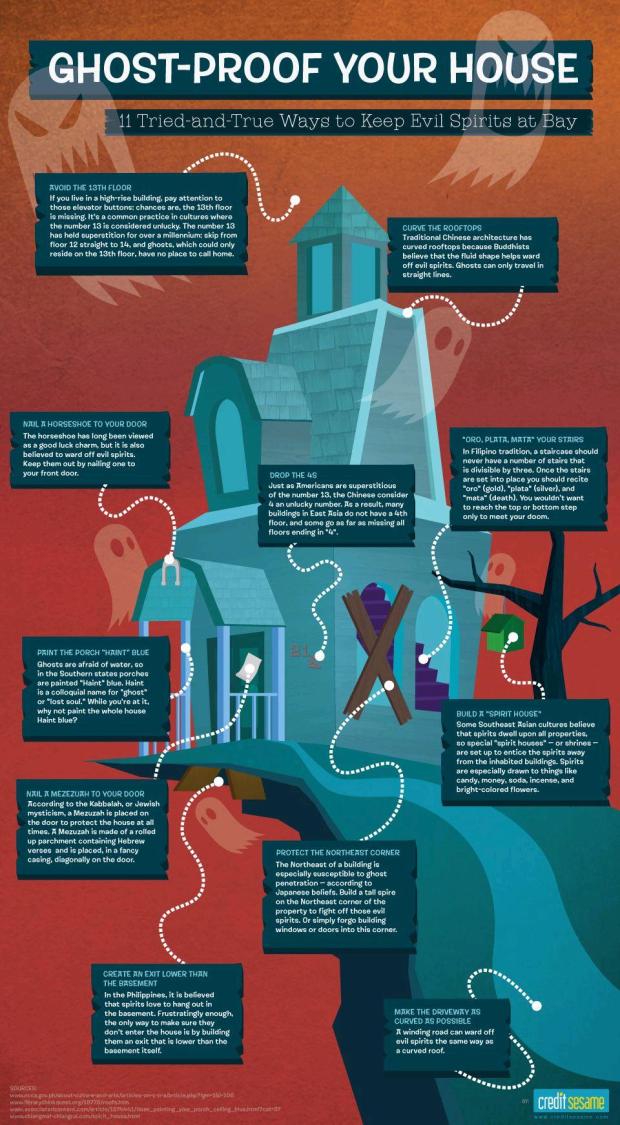
There are three fundamental problems with the housing sector today, Zandi said:

1. Valuation: Housing values until recently were very high compared to incomes and respective rents, he explained. Housing prices are back to normal in relation to income, but still a bit high compared to rents.

2. Overbuilding: There’s been some debate about how much excess inventory actually exists. Zandi speculated that it could take a couple of years to work through that surplus, if there were no major changes in supply and demand.

3. Foreclosure: There are about 3.4 million first-mortgage loans in foreclosure right now, he said. “I do think we’re going to have more price declines, but I think the share [of distressed sales of the total market] will go down over the next year.”

These are significant problems, to be sure. But a mix of simple solutions should go a long way in alleviating those issues. First, government-sponsored enterprises Fannie Mae and Freddie Mac should make it easier to do refinancing and principal reductions, said Jared Bernstein, a former economic policy adviser to vice president Joe Biden and a speaker on that panel.

Second, the attorneys’ general suit against banks that improperly handled mortgage documentation must reach a resolution, Zandi said. Once that’s complete, the number of distressed sales will go up in the short run as foreclosures and REOs that were held up by the suit hit the market, but will decline long term.

Finally, credit needs to get back to normal, pre-boom and -bust levels. The loans being made right now are of “outstanding quality,” said panelist Brian Chappelle, a partner with Potomac Partners in Washington, D.C. He added that the average credit score of an FHA borrower today is 705. However, there aren’t enough qualified borrowers to absorb the current supply of properties.

Proposals such as GSE reform and risk-rentention rules are still important for avoiding another extreme boom-and-bust cycle in the housing market, Zandi said, but they don’t really get at the challenges of today’s environment like those simple solutions.

“Our problems are not drastic,” he said. “We don’t need to do one big thing to fix all of this. We’ve gone a long way to right the wrongs in this industry. There’s just a few things we need to do around the edges. If you can implement policies that reduce the share of distressed sales of the total market, housing should see a dramatic recovery quickly.”

TEAM EMPOWERMENT MORTGAGE CHATTER: Oct 12; An Apple A Day Has Passed Away…; Picking The Right Agent is Crucial; House Prices to Fall over Next 6 months; HUD Offers Grants to Fight Housing Discrimination; This Time We Are Sounding The Alarms

“The purpose of human life is to show compassion and the will to help others.” by Albert Schweitzer

AN APPLE A DAY HAS PASSED AWAY. BUT HE HAS LEFT A BASKET FULL OF LEGACY.

I never met him, but I knew him.

I never talked to him, but he spoke to me often.

I never saw him present live, but my vision of him is burned into my brain.

Steve Jobs has left the earth, but his legacy and remains are among each of us, and will be touched every day for decades.

When I learned of his death, I was so saddened I couldn’t write. I just sat there in disbelief, realizing that the life of the business hero I followed would no longer be alive to announce the next amazing technological product.

After a few hours, I posted this on all of my social media outlets:

Steve Jobs has passed away, but his legacy will live longer than any of us. I am sad that my business hero has gone to his final reward, and forever grateful for what he has done to my world, both in business and in life. Thank you Steve, for a Jobs well done.

The laptop, the iPod, the iPhone, and the iPad were created and improved beyond the imagination or the capability of 1,000 of his peers. The great Bill Gates tried and failed – many times – to top Apple products. So have every one of his competitors.

And Jobs did all of this with quiet dignity, genius, eloquence, and simplicity.

If you own an Apple product, any Apple product, there’s one thing you don’t need – an instruction manual. I have been using everything Mac, and everything Apple, since 1984 and I have NEVER read one word of “how-to” instruction. Part of Jobs’ design genius was to make every product intuitive.

One man reinvented the computer, the operating system, the music player, and the cell phone (now called a smartphone), and created a tablet to fill a market space that no one even knew was void – the iPad. The iPad2 is changing the face of book publishing, and book distribution, the same way the iPod changed music and music distribution.

Amazing? No – genius.

PICKING THE RIGHT AGENT IS CRUCIAL

The National Association of Realtors (NAR) released their Existing Sales Report two weeks ago and in the report they discussed a troubling trend: cancelled contracts are increasing dramatically. NAR defined the issue:

‘Contract failures – cancellations caused largely by declined mortgage applications or failures in loan underwriting from appraised values coming in below the negotiated price.”

NAR explained that 18% of all contracts were cancelled in August. This compares to 16% last month and 9% in August of 2010.

The percentage of cancelled contracts has doubled in the past year!!

It is extremely important that both buyers and sellers pick the right real estate professional to assist them with their real estate needs.

BUYERS

Make sure your agent can not only help you find the home of your dreams but also find you professional assistance with all aspects of the transaction (mortgaging, title, etc.)

SELLERS

Realize that your agent must sell the home twice:

  • to a qualified buyer
  • to the bank (through the appraiser).

The second sale may be more difficult in this market than the first.

Bottom Line

It is imperative in this housing market that both buyers and sellers use a true real estate professional to guarantee that the deal will actually reach the closing table.

HOUSE PRICES TO FALL OVER NEXT SIX MONTHS

In a normal real estate market, it may make sense to wait for the spring buyers’ to appear before placing your house up for sale. The current real estate market is anything but normal however. The increase in supply of distressed properties will overshadow any increase in demand for housing over the next 6 months. This is reflected in the findings of two groups: Clear Capital and JPMorgan Chase.

Dr. Alex Villacorta, Director of Research and Analytics at Clear Capital explained last week:

“The housing market has yet to demonstrate the fundamentals necessary to overcome a seasonal slowdown over the next six months, which drives our projected 3.2 percent drop in national home prices through the first quarter of 2012.”

HousingWire quotes analysts at JPMorgan Chase:

“Home prices could dip another 6% to 7%, before hitting rock bottom in early 2012.”

Bottom Line

If you are thinking of selling, it would be wise to put your house on the market before prices fall again.

HUD OFFERS GRANTS TO FIGHT HOUSING DISCRIMINATION

The U.S. Department of Housing and Urban Development is awarding more than $28 million in grants to organizations in 33 states to help investigate allegations of housing discrimination and promote equal housing opportunities.

“Last year, HUD filed more Fair Housing Act charges than any year since 2002,” John Trasvina, HUD assistant secretary for Fair Housing & Equal Opportunity, said in a statement. “The Fair Housing Initiatives Program grantees play a vital role to enhance our civil rights law enforcement efforts.”

The grants will be available to use for investigating alleged housing discrimination and enforce the Fair Housing Act, as well as to educate the public and housing providers about their rights and obligations under fair housing laws.

Eighty-four housing organizations and non-profit agencies will receive funds. To view the list of agencies, visit http://www.hud.gov.

THIS TIME WE ARE SOUNDING THE ALARMS

One of the things I often hear from people I meet is that real estate and mortgage professionals should have seen the current housing crisis coming and done something to prevent it. We should have realized that easing lending practices would lead to millions of families buying a home they could never afford. We should have warned our neighbors not to use their homes as ATMs. We should have realized that the economy could never withstand such growth and was about to crash.

Maybe these people are correct. Looking back, perhaps we could have been better stewards of the home buying process. We are committed to not making that same mistake again. Now, if we see a possible challenge in the future, we will speak up. That is what caused the writing of this blog post.

WE MUST SOUND THE ALARMS!

ALARM: Homeownership Percentage Has Dropped Dramatically!!

MSNBC.com, in an article entitled Housing Bust Worst Since Great Depression reported:

“The analysis by the Census Bureau found the homeownership rate fell to 65.1 percent last year – analysts say the U.S. may never return to its mid-decade housing boom peak in which nearly 70 percent of occupied households were owned by their residents.”

ALARM: People Are Losing Hope in the American Dream

In the same article, Patrick Newport, economist with IHS Global Insight is quoted saying:

“The changes now taking place are mind-boggling: the housing market has completely crashed and attitudes toward housing are shifting from owning to renting. While 10 years ago owning a home was the American Dream, I’m not sure a lot of people still think that way.”

ALARM: The Safety and Well Being of the Family Being Sacrificed

If we look at Fannie Mae ‘ s quarterly National Home Survey, as far back as we can go, the top four reasons for buying a home are the same. The top four reasons people buy a home are:

It means having a good place to raise children and provide them with a good education

To have a physical structure where their family feels safe

It allows for more space for their family

It gives them control over what they do with their living space including renovations and updates.

Are children no longer important? Is safety less of a consideration today? Is the pride of homeownership soon to be forgotten? We must look at the long range consequences of being a renters ‘ society.

ALARM: Building Family Wealth Being Threatened

Let’s look at homeownership as an investment. The Federal Reserve does a survey every 3 years. In 1998 the average Homeowner’s net worth exceeded that of renters by 31 times. In 2001 it was 36 times and eventually in 2007 it was all the way up to 46 times that of renters. Now, homeownership isn’t about a guaranteed financial short-term return – the market goes up, down and back up again. We have to be prepared for the long-term and a key component to wealth is homeownership. Even in these toughest of times, the wealth of the homeowner is over 30 times that of renters.

At a time when we are discussing the gap in wealth between the top 1% and the other 99%, how does the less fortunate paying rent to pay off the mortgages of the more fortunate make any sense?

Bottom Line

Homeownership is important to the American family. If we lose this as a basic concept, what else do we lose? We didn’t realize the consequences when it was too easy to buy a house a few years ago and we are paying a price for that. We will pay an even larger price if we don’t realize the consequences of it being much too difficult for many to own a home today. SOUND THE ALARMS!